The Dressing Delight: Turning Wounds into Play for Children
Dressings might appear like a mundane part of wound care, but for children, they can offer the strength to transform cries into grins. The era of uninspired, neutral stickers that do next to nothing to comfort a youngster after a injury. In today's world, personalized children's bandages come in an thrilling array of shades, prints, and styles, turning small wounds into possibilities for creative fun and healing. It's all about transforming the situation a little less serious and a lot less frightening, enabling children to celebrate their inner superhero even when dealing with minor bumps and bruises.
In this write-up, we'll explore ten innovative ways to use custom kids' bandages that not just help with healing but also involve kids in a meaningful way. We’ll dive into critical topics that every parent needs to know, from the ultimate safety guide for picking the appropriate adhesive to guidelines on how to treat and handle a child's injury without causing stress. With insights on aspects from stretchy materials to unique patterns, we will arm you with the knowledge to manage those inevitable childhood injuries in the most helpful way. Let's turn that deluge of bandages into a happy occasion for both children and guardians alike.
Innovative Wound Care Solutions for Little Ones
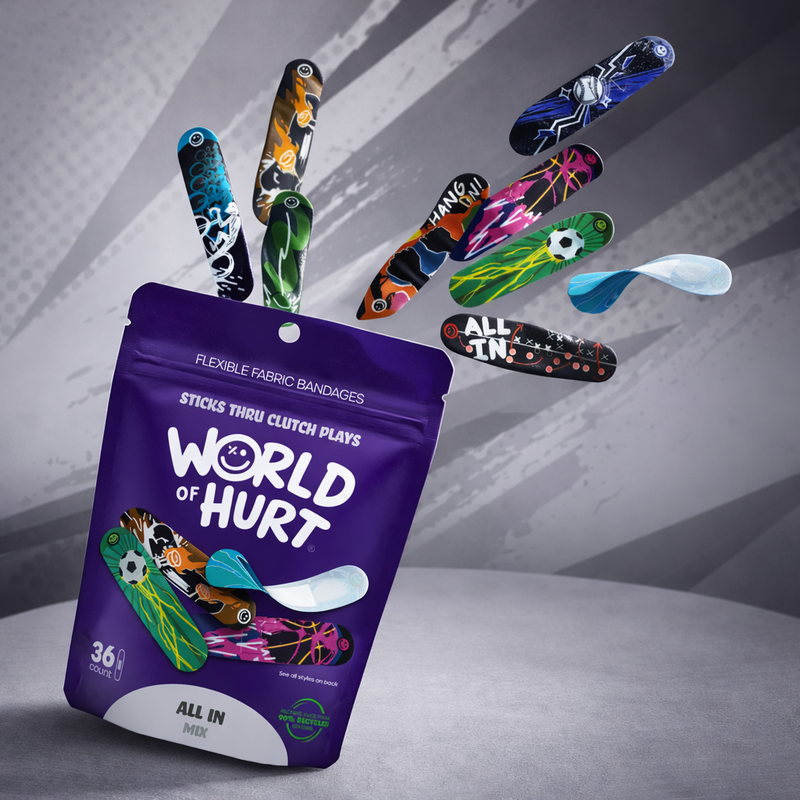
Transforming a child's interaction with bandages can convert a moment of pain into a joyful adventure. Personalized kids' bandages exist in various designs featuring favorite characters, colorful colors, and playful patterns. By providing special shapes or styles, such as nighttime designs or themed collections, these bandages capture children's creativity, making them enthusiastic to wear them instead of avoiding them. The right bandage can function as a great distraction, permitting children to focus on their favorite characters while healing from small injuries.
Another engaging solution is to engage children in the selection process of their bandages. Enabling them to select their favorite designs from a variety of options can liberate them and lessen anxiety about using a bandage. Think about making individualized bandages with their names or artwork, making them feel unique and looked after. This not only boosts their emotional well-being but also fosters an understanding of the significance of medical attention at an early age.
Innovative bandage options can also include interactive elements, like bandages that offer playful stickers or activities. These elements can hold children occupied while a bandage is put on, effectively redirecting their attention from the irritation. Bandages that are story-themed or are part of a activity can turn a basic first aid process into a connecting experience, making it a pleasant memory rather than a challenging one.
Wound Management Basics and Best Techniques
As it comes to caring for a child's wound, hygiene is paramount. Always start by washing your hands thoroughly before touching the affected area. Clean the injury gently with gentle soap and water to eliminate any dirt and germs. Dry it gently with a clean cloth, steering clear of any rough rubbing that could irritate the area. Maintaining the injury clean minimizes the risk of contamination and helps accelerate quicker healing.
Selecting the right bandage is essential for proper wound care. For delicate skin, consider hypoallergenic options, that are unlikely to cause allergic reactions or annoy delicate skin. Always select bandages that provide adequate coverage and safeguarding tailored to the type and location of the wound. Waterproof bandages can be ideal for active play or swimming, making sure that the wound remains protected during moist conditions, while breathable materials help prevent moisture buildup, that can lead to skin maceration.
Additionally, it is important to teach children about proper injury care while avoiding creating fear. Using playful and colorful character bandages can significantly distract children and turn a potentially alarming experience into a enjoyable one. Motivating them to keep the bandage on and clarifying why it's important to care for their injury can help foster positive behaviors. Do not forget to inspect the bandage regularly to make sure it stays secure and free from dirt, emphasizing the idea of responsibility and responsibility for their personal health.
A Field and Outlook of Wound Technology
Developments in dressing technology are transforming the way we manage injuries, particularly for youth. Researchers have concentrated on creating materials that not just safeguard but also promote healing. Hydrocolloid and silicone dressings are among the developments that maintain wounds moist, significantly speeding up recovery while lessening pain on dismantling. These materials create an optimal environment that supports skin regeneration and diminishes the risk of scarring, making them perfect for delicate young skin.
In the future, the prospects of dressing technology is even more exciting. Smart bandages, that come with sensors, promise the ability to observe healing progress and identify infections through adaptive adhesives. This cutting-edge approach could provide immediate feedback to parents and caregivers, making wound management more manageable. Additionally, Bandages for Kids are exploring sustainable materials that biodegrade without leaving dangerous residues, ensuring environmental safety alongside functionality.
As research continues, the combination of engaging designs and textures within bandages aims to involve children psychologically during care. Customization options featuring fun characters or vibrant patterns help turn what could be a distressing experience into a more pleasant one. By incorporating both technology and creativity, the outlook of wound innovation not only focuses on healing wounds but also on enhancing the overall experience for little patients and their guardians.